You must have regular cleaning scheduled according to risk factors, operational volume, food allergen presence, and regulatory checks, plus verification documentation supporting food safety protocols, regulatory audits, and government health requirements. The following sections detail critical cleaning system elements.
Key Takeaways
- Brampton's food safety cleaning specialists clean for restaurants, grocery departments, commissaries, warehouses, bakeries, schools, mobile vendors, and allergen-sensitive operations.
- Zone-based workflows disinfect high-touch surfaces, food-contact equipment, kitchens, floors, drains, restrooms, and storage areas for preventing cross-contamination.
- Approved providers validate proper chemical concentration, appropriateness, and contact time, then document finishing with swabs, audits, and action records.
- Optimal hygiene timelines factor in risk, throughput, changeovers, releases, and standards when designating everyday, recurring, and periodic tasks by zone.
- Protection, color-categorized implements, hazard analysis knowledge, sanitation expertise, WHMIS preparation, testimonials, and assessment-ready cleaning documentation are critical supplier characteristics.
Brampton Facilities That Need Food Safety Cleaning: Which Ones?
You must maintain food safety cleaning if your business is subject to health department oversight, food standards, or HACCP requirements. This covers food venues, break rooms, food centers, supermarket areas, butcheries, seafood displays, shops, and commercial food prep.
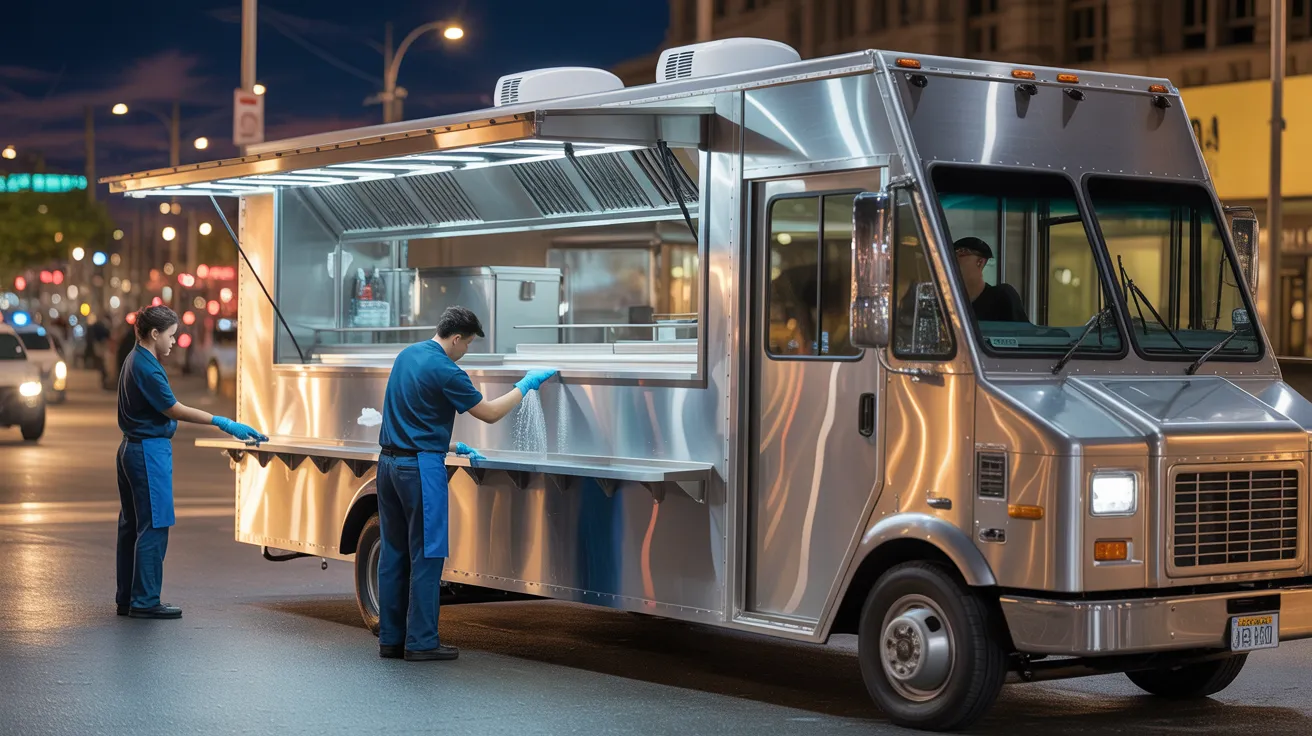
You'll furthermore need proper hygiene protocols in storage centers, processing facilities, refrigerated warehouses, bakery retailers, school nutrition programs, event halls, and delivery centers. Mobile and temporary operations are included, including mobile kitchens, market vendors, and seasonal booths. Should your staff process ingredients, portion ready-to-eat items, reheat products, or store allergens, your location requires written cleaning standards. In Brampton, food safety remains required; it represents lawful, operational, and customer protection standards.
What Do Brampton Cleaning Experts Clean?
Your facility requires professional cleaners who disinfect frequently contacted surfaces, kitchens, all floor types, and toilet facilities for food useful tips safety and health code adherence. These zones receive attention due to their elevated cross-contamination potential, trip and slip dangers, and violations of hygiene standards.
If you grasp what they sanitize, you'll successfully ensure your operation satisfies required operational and regulatory standards.
Addressing High-Touch Surface Disinfection
establish how regularly each area is sanitized
confirm that sanitization was adequate
Cooking Zones, Walking Surfaces, and Restroom Environments
Brampton cleaning services focus on kitchens, floors, and restrooms as each zone presents distinct food safety, accident, and wellness concerns. In industrial kitchens, you need degreasing on cook lines, equipment exteriors, drains, prep surfaces, and splash zones to reduce bacterial growth and pest activity.
Professional floor care with documentation is also included. is likewise provided as part of the service.
Restroom cleaning requires decontaminating touch areas, bathroom equipment, stall barriers, supply stations, and bins, replacing items and managing smells. They also maintain restaurant cleaning supply rooms where product storage, sink cleanliness, and drain systems impact daily sanitation standards and worker protection.
The Importance of Food Safety Cleaning in Brampton
Brampton businesses need to establish food-safe cleaning standards for meeting legal standards and obtaining approval. You also reduce bacterial spread through proper cleaning of food-preparation surfaces, appliances, and frequently-touched items. Most importantly, you help protect public health by lowering the risk of foodborne illness in your facility.
Sanitary Standards Adherence
Since Brampton food establishments must follow mandatory safety protocols, your sanitation practices directly affects your capacity to satisfy health codes, ensure the safety of diners, and prevent regulatory penalties. You must maintain sanitized food contact points, documented cleaning schedules, correct sanitizer application, and traceable training practices that meet municipal and provincial inspection expectations.
When cleaning standards decline, violations, remedial directives, reputation damage, and service interruption from subsequent audits or enforcement actions become risks.
Cross-Contamination Prevention
Adhering to regulatory guidelines requires your skill in preventing cross-contamination throughout daily food handling and cleaning. You need to separate raw ingredients from ready-to-eat foods, clean prep surfaces between tasks, and keep chemicals away from food-contact items. Organized systems minimize contamination events and maintain ongoing regulatory adherence.
Implementing allergen separation helps keep priority allergens from contacting communal work zones, bins, or devices. Utilize separate boards, color-labeled items, and strict utensil labeling so workers don't combine products during preparation or service. Require handwashing after handling raw meat, seafood, eggs, or allergen-containing products. Refresh cleaning cloths often, and verify sanitizer strength with test strips. When your team learns these guidelines per shift, you establish a more hygienic, safer workplace that satisfies Brampton's food safety needs regularly.
Public Health Protection
Should cleaning standards break, you don't simply encounter inspection problems—you expand the odds of foodborne illness harming customers, staff, and the wider Brampton population. You also weaken your role in protecting public health, especially in busy food facilities where pathogens travel quickly through surfaces, equipment, and touchpoints.
You need cleaning protocols that eliminate contaminants, disinfect properly, and confirm effectiveness. That requires adhering to exposure periods, using approved disinfectants, recording cleaning times, and training staff to meet regulatory standards. These measures facilitate disease prevention by reducing pathogens before they contaminate surfaces or food. In Brampton, strong sanitation protects vulnerable populations, prevents disease spread, and enables you to show due diligence. When you maintain proper standards, you don't just meet regulations—you substantially decrease danger and support safer food service citywide.
In What Ways Does Cleaning Help Achieve Food Safety Compliance?
Adopting strict sanitation practices reinforces food safety compliance by lowering contamination exposure, limiting pathogen development, and ensuring your facility complies with sanitation requirements under HACCP-based programs and public health regulations. You ensure that food-contact surfaces are visibly clean and microbiologically controlled, backing documented preventive controls and inspection readiness.
Systematic cleaning further reinforces allergen control by removing residues that can provoke undeclared allergen exposure. When you match verified sanitation methods with regulatory training, your staff can adhere to established protocols, use approved chemicals appropriately, fill out documentation correctly, and respond to irregularities ahead of problems worsen. Consistent cleaning promotes audit trails, confirms corrective steps, and proves responsibility during audits. It also helps you maintain product integrity, preserve operational compliance, and minimize the chances of regulatory actions, market recalls, customer complaints, and avoidable public health risks.
Establishing When to Plan Commercial Cleaning
regular regular cleaning
Managing regular tasks distinctly guarantees better scheduling.
How Do You Choose Brampton Cleaning Experts?
Start by screening providers against food-safe sanitation requirements, not cost only. You should verify that each company understands CFIA, public health, and HACCP-aligned expectations relevant to your facility. Ask for insurance documentation, WHMIS compliance, documented staff training, and supervision practices. Review whether technicians understand cross-contamination risks, chemical handling, and traceable sanitation records.
You must also evaluate operational reliability and accountability. Seek references from food facilities in Brampton, then assess response speed, corrective-action procedures, and communication quality. Ensure the company supports supplier audits and can provide inspection-ready documentation when authorities or third parties demand verification. Verify equipment care, colour-coded tools are deployed correctly, and operational-specific risks are understood. A reputable service safeguards compliance, product integrity, and your brand reputation.
What's covered in a Food Safety Cleaning Plan?
Document a framework that outlines every sanitation activity, guideline, and role before starting production. You should include cleaning frequencies, approved chemicals, dilution rates, contact times, tools, and verification methods for each area, surface, and device. Remember to add pre-operational inspections, corrective actions, and employee training requirements.
Your plan should also focus on cross-contamination controls, waste handling, pest-prevention measures, and documented schedules for restrooms, drains, floors, and food-contact areas. Detail how you'll separate raw and ready-to-eat processes, support ingredient tracking, and ensure accurate allergen labeling through validated cleaning between product changes. You should set accountability, keep signed records, and review results against regulatory standards, HACCP controls, and customer requirements. When gaps appear, update procedures immediately and retrain staff.
Commonly Asked Questions
Do sanitation providers operate during overnight shifts at Brampton properties?
If you run controlled spaces, you'll also require documentation that support inspections and ensure compliance.
Will Brampton cleaning experts address hazardous incidents?
Yes, you can locate Brampton sanitation experts providing hazard containment services. They handle hazardous incidents, evaluate risks, contain affected zones, and initiate rapid cleanup to reduce risk and avoid operational impact. You should verify response rates, certifications, PPE measures, and disposal methods. If your facility must adhere to regulations, select a service that documents events, adheres to standards, and supports verification.
Can plant-based disinfectants be utilized safely on food preparation areas?
Absolutely, eco-friendly disinfectants prove to be suitable for surfaces contacting food when you pick solutions certified for food use and satisfying regulatory requirements. You must validate contact times, mixing proportions, and rinsing needs before use. Natural-based solutions minimize chemical burden, though you still need proof of efficacy against specific pathogens. For preserving residue-free areas, follow manufacturer directions precisely and verify the sanitizer adheres to food sanitation requirements.
Do cleaning plans permit seasonal production changes?
Without question, maintenance plans adjust easily for seasonal shifts. Adjust intervals, personnel, cleaning agents, and verification steps to fit seasonal patterns while upholding regulatory compliance. Lower operational delays by organizing sanitization during line changes, maximum output, and operational patterns. Further modify written procedures, staff education, and environmental monitoring to address seasonal hazards, novel allergens, or increased soil loads. Regular reviews keep your plan current.
Are professional cleaning companies offering staff training on sanitation best practices?
Absolutely, professional cleaning companies frequently provide staff training on sanitation best practices. Your staff gets instruction on correct chemical handling, contact times, contamination avoidance, equipment disassembly, and documentation. They generally match instruction with HACCP, GMP, and CFIA or local public health standards. Many conduct health inspections to verify compliance, identify gaps, and reinforce corrective actions. This enables you to sustain uniform standards, clear audits, and lower contamination dangers consistently.
Closing Remarks
By partnering with Brampton commercial cleaning and food safety professionals, you aren't just organizing—you maintain your facility inspection-ready and your standards in compliance. From kitchens to processing floors, every clean surface and maintained corner decreases contamination and avoids expensive losses. By arranging service at appropriate intervals and following a documented cleaning plan, you secure staff members, clients, and your standing. In a strictly regulated industry, clean spaces must be prioritized—they're essential to successful operations.